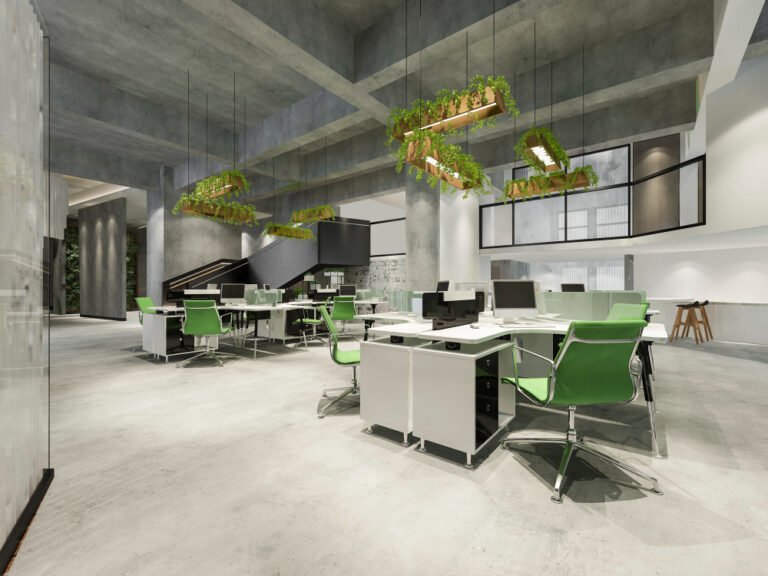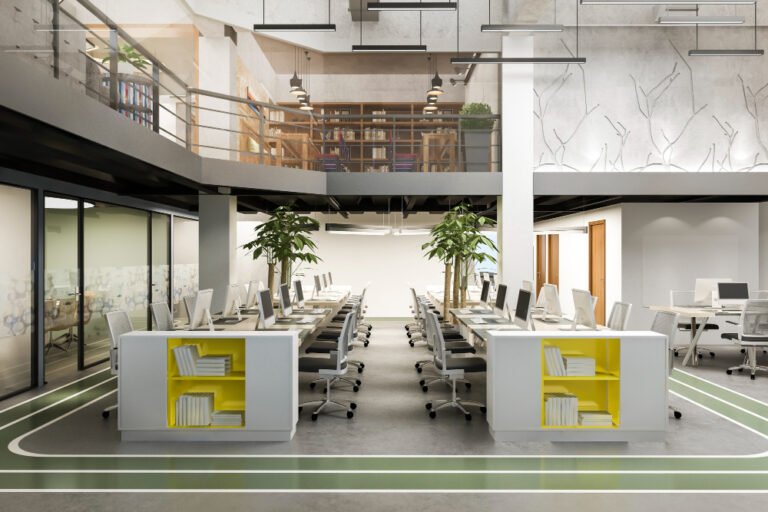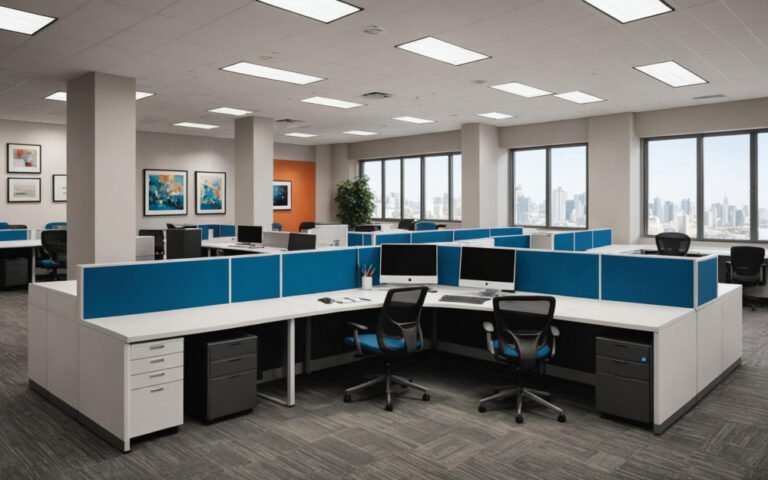

The 7 basics of interior design are space, line, form, light, color, texture, and pattern. These elements are used together to create a balanced, functional, and visually comfortable interior.
7 Basics of Interior Design
Interior design is not only about decoration. It is a structured approach to organizing space so that it looks good and works well for daily life. In Bangladesh, especially in Dhaka apartments, where space is often limited, understanding these basics helps create a more practical and comfortable home.
Below is a clear explanation of each element in simple language, focused on real home use.
Space
Space is the foundation of interior design. It refers to the available area inside a room and how it is used.
There are two parts:
Positive space is filled with furniture and items.
Negative space is empty and allows movement.
In Bangladesh flats, proper space planning is very important. Too much furniture makes the room crowded, while too much empty space makes it feel incomplete. A balanced use of space improves comfort and usability.
Line
Line helps guide the visual structure of a room. It shapes how we see height, width, and flow.
Horizontal lines are found in beds, sofas, and tables. These make a room look wider and stable.
Vertical lines are seen in wardrobes, doors, and panels. These make a room look taller.
Dynamic lines, like curves or angles, add movement and style.
Using the right type of line creates a clean and organized design.
Form
Form means the shape of objects in a space. It includes furniture, décor, and layout.
Geometric forms are straight and structured, such as square or rectangular shapes. These are common in modern interiors.
Organic forms are soft and curved, giving a more natural and relaxed look.
In most homes in Bangladesh, mixing both forms helps create a balanced and practical design.
Light
Lighting is one of the most important parts of interior design. It affects how a space looks and feels.
Natural light comes from windows and daylight. It makes rooms feel open and fresh.
Artificial light includes ceiling lights, LED strips, and lamps.
Good lighting can make a small room look bigger, highlight design features, and improve daily comfort. In Bangladesh, using natural light properly also helps reduce electricity usage.
Color
Color sets the mood of a space. It has a direct impact on how a room feels.
Light colors like white, beige, and off-white make a room feel bigger and cleaner.
Dark colors create a more cozy and premium look but can make small spaces feel smaller.
In Bangladesh homes, neutral tones with wood finishes are commonly used for a modern and timeless look.
Texture
Texture refers to the surface quality of materials. It adds depth and variation to the design.
Glossy textures look smooth and modern.
Matte textures feel soft and subtle.
Wood textures give a warm and natural feel.
Using different textures together makes a space more interesting and visually balanced.
Pattern
Pattern is the repeated use of shapes, lines, or designs. It adds character to a space.
Patterns are used in tiles, fabrics, wallpapers, and décor items.
A small amount of pattern enhances the design, but too much can make the space look busy.
Proper balance is important to keep the design clean and organized.
How These Elements Work Together
Interior design is effective only when all seven elements are used together.
Space planning ensures comfort.
Lighting improves visibility and mood.
Color and texture create visual appeal.
Line and form provide structure.
Pattern adds detail and personality.
When combined properly, these basics create a home that is both functional and visually pleasing.
Practical Use in Bangladesh Homes
In most Dhaka apartments, common challenges include limited space, low natural light, and poor layout planning. Applying these seven basics helps solve these issues.
For example:
Using light colors and proper lighting can make small rooms look larger.
Smart furniture placement improves movement in tight spaces.
Balanced textures and patterns improve overall appearance without extra cost.
Why Professional Guidance Matters
Understanding the basics is helpful, but applying them correctly requires experience. A professional interior team like Design 2morrow ensures proper planning, balanced design, and better long-term results.
This helps avoid common mistakes and ensures the space is both functional and visually well-organized.